Governance with Seamless
Seamless provides templates, naming and lifecycle policies, and approval workflows for Microsoft Teams, SharePoint, and external guests. By enforcing clear structure and consistent standards, Seamless keeps your Microsoft 365 environment well organized while enabling secure and efficient internal and external collaboration.
Once templates and policies are defined in Seamless, users can easily create new digital workspaces in Teams or SharePoint and invite external guests while compliance, security and lifecycle rules are automatically enforced. This approach enables controlle user self-service while maintaining IT governance and organizational standards.
Below is a high-level overview of the key governance components provided by Seamless for Teams and external guests.
Governance for Teams
Seamless controls how Microsoft Teams and SharePoint workspaces are created and managed throughout their lifecycle. This prevents uncontrolled growth while supporting modern collaboration scenarios.
Organization templates
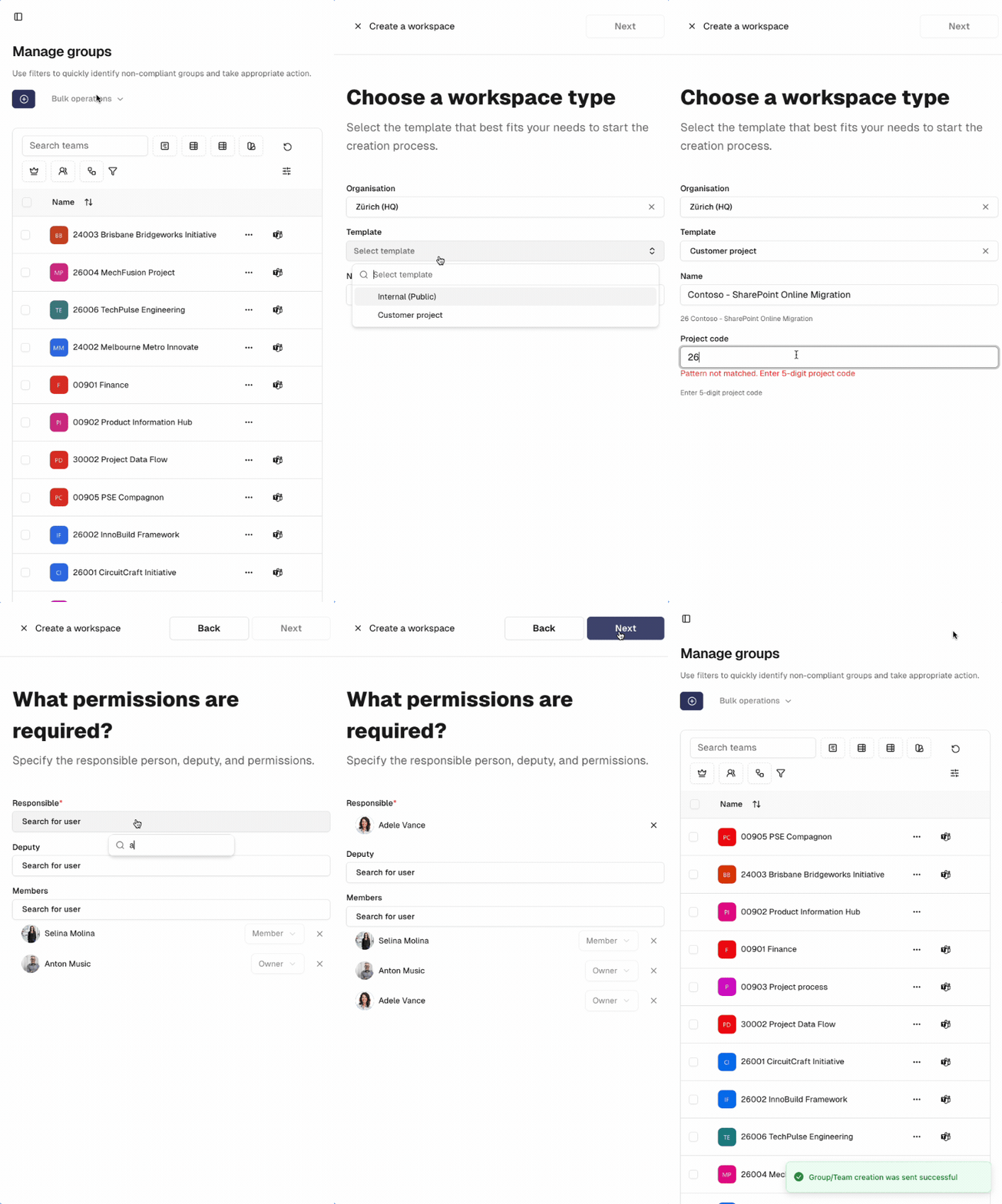
Organization templates define how Microsoft Teams are created for specific use cases within your organization. They ensure a consistent structure by applying predefined settings such as naming policies, channels, permissions, and lifecycle rules.
Access to templates can be restricted using security groups, ensuring that only authorized users can create certain types of workspaces.
When users create a Team from a template, all configured standards are applied automatically—guaranteeing consistency and compliance from day one.
Naming policies
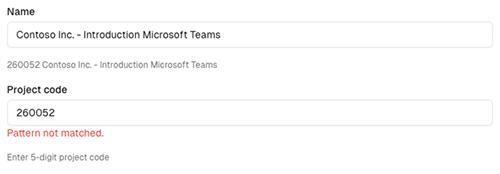
Naming policies enable user self-service while enforcing IT-approved naming rules. They ensure consistent display names, mail nicknames, and site URLs, helping keep Microsoft Entra ID clean and well structured.
In project-based organizations, naming policies ensure that project codes are consistently applied. Teams can only be created if the project code matches the defined validation pattern.
Approval workflows
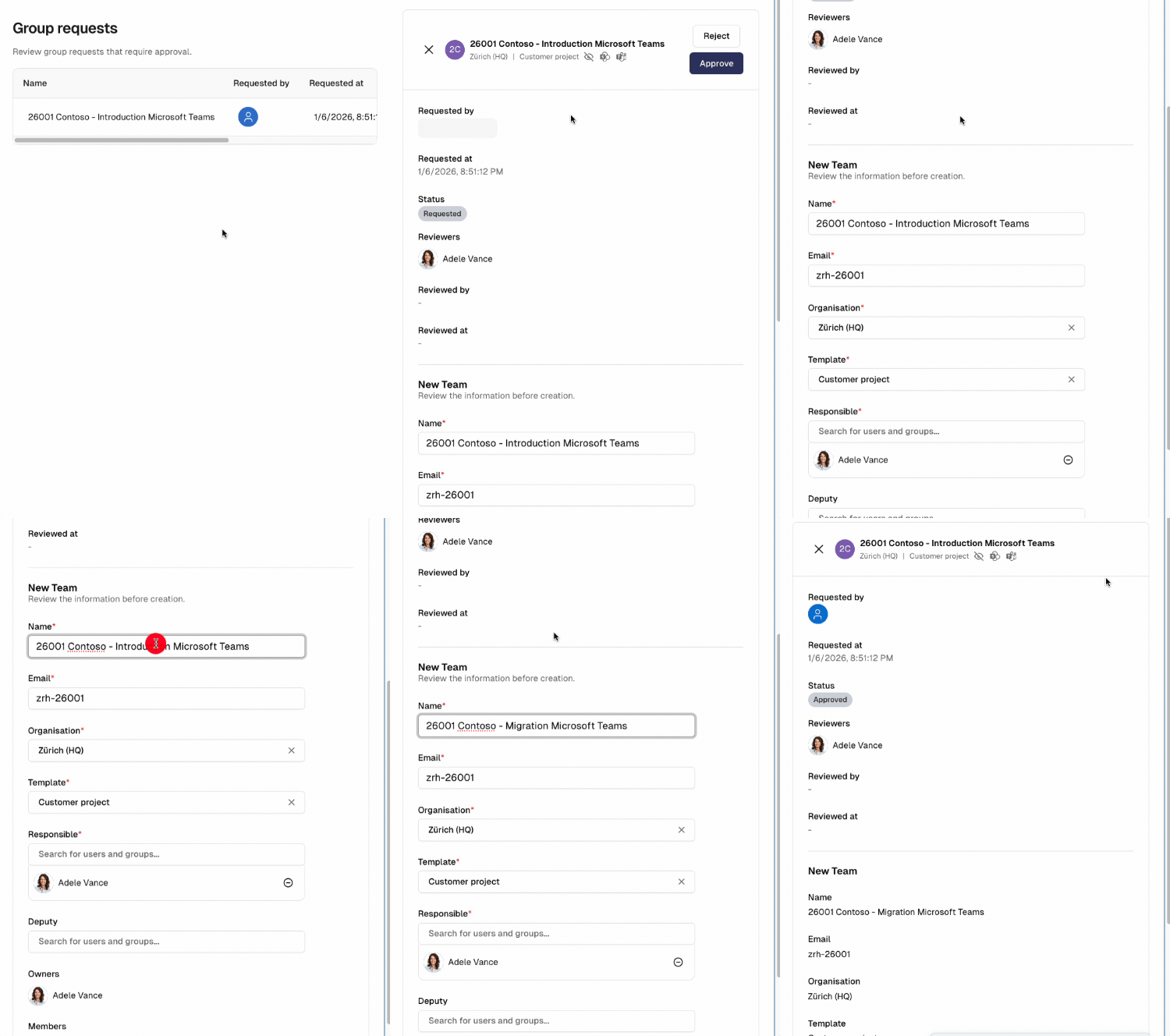
Approval workflows add an additional governance layer by requiring approval before a Microsoft Team is provisioned.
Users submit Team creation requests through self-service in the Seamless Teams App, while IT maintains control and prevents uncontrolled workspace creation.
Requests are routed to the approvers defined in the template. Approvers can reject requests, modify submitted properties, or approve them.
Once approved, the Team is provisioned automatically according to the template configuration.
Lifecycle management
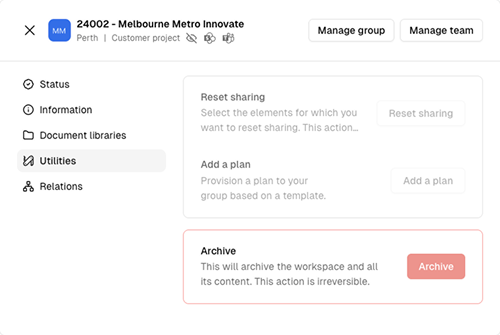
Lifecycle policies ensure that Teams are archived when they are no longer needed. This helps maintain a clean and structured tenant, even after projects or collaborations have ended.
Governance for guests
Seamless extends governance beyond internal collaboration by providing structured and secure management of external guests. This includes invitation workflows, naming and lifecycle policies, guest self-service, and automated removal of non-compliant guests.
Users can invite external guests through self-service while Seamless ensures that security, compliance, and lifecycle rules are enforced automatically.
Guest templates
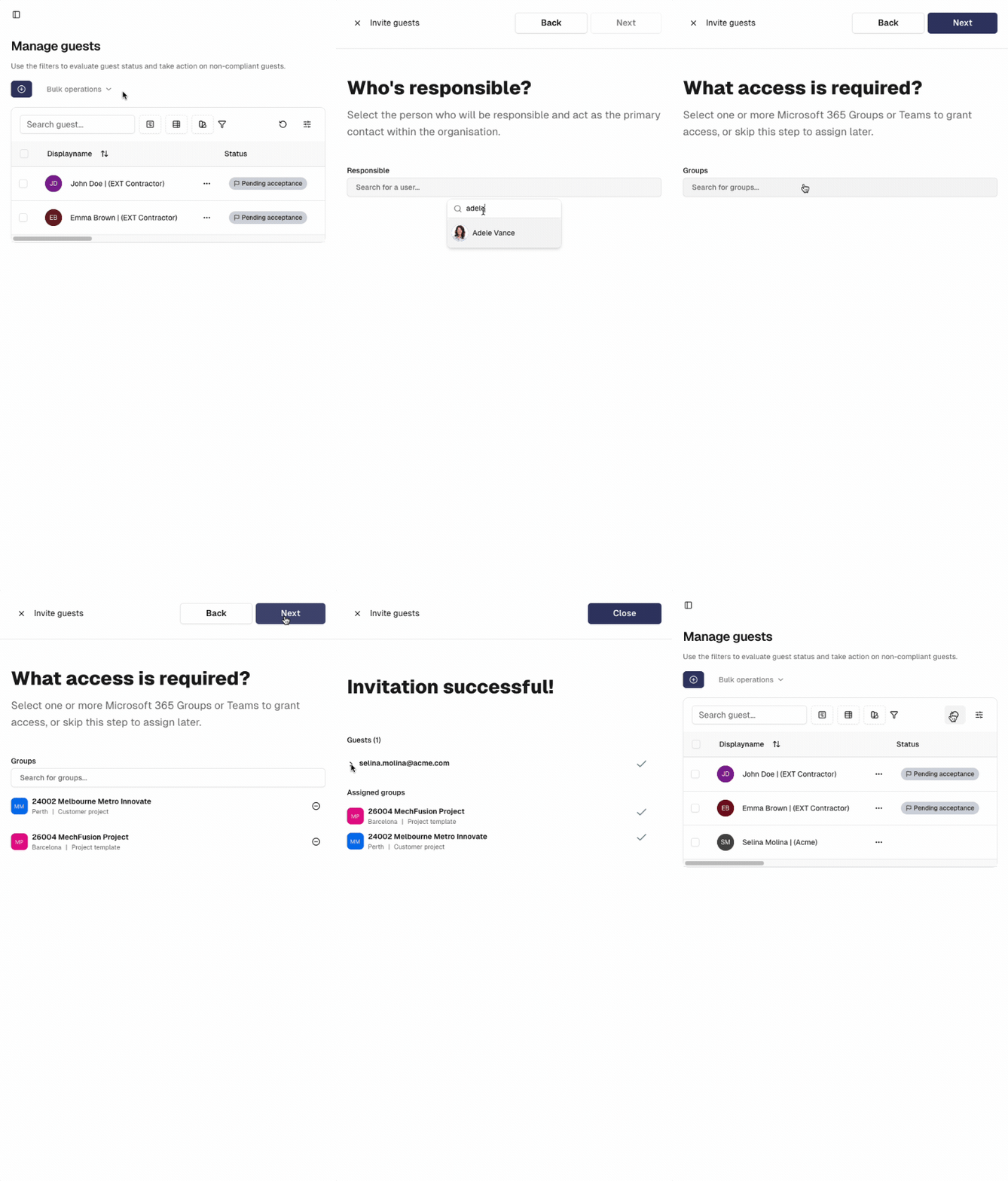
Guest templates define how external guests are invited and managed in Microsoft 365. When users invite guests using a template, the configured naming and lifecycle policies are applied automatically.
This ensures that all guest accounts follow a consistent and recognizable structure throughout their lifecycle.
Guest naming policies
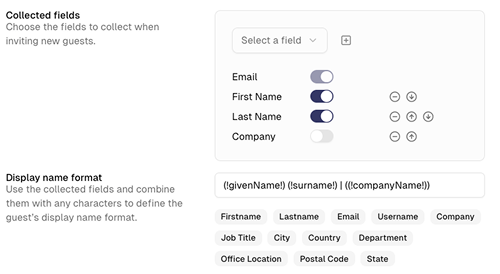
Naming policies automatically enforce standardized names for guest users. Guest names remain consistent throughout their entire lifecycle, making it easy to distinguish internal users from external guests across Microsoft 365.
Guest lifecycle management
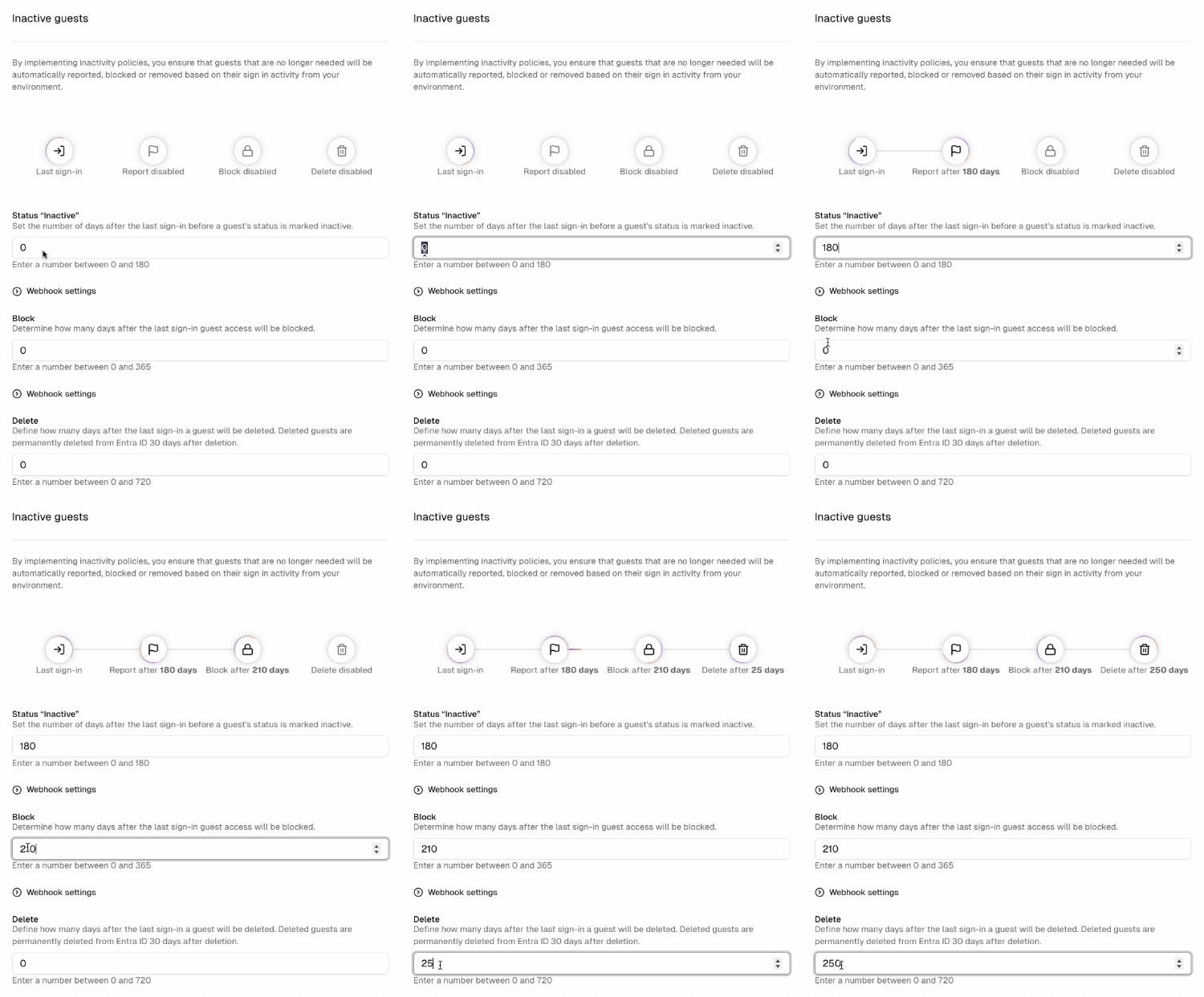
Lifecycle policies ensure that guest access remains compliant over time. Guests are automatically removed if they:
- Do not redeem their invitation
- Do not sign in for a defined period
- Fail access renewal requirements
This keeps your tenant clean and ensures that guest access ends when a collaboration or project is completed.
Guest self-service portal
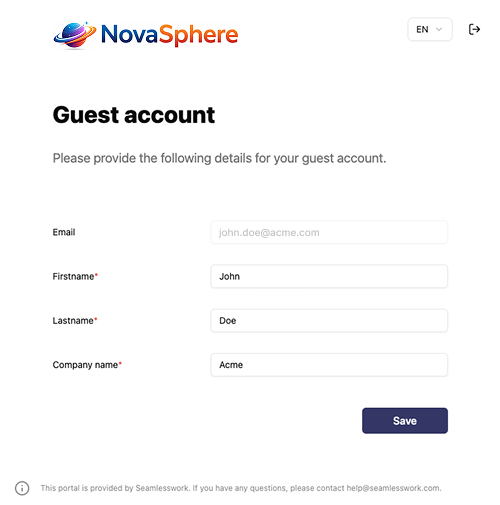
The guest portal provides a self-service experience for external users to manage and update their access information. It can be embedded into the invitation process to:
- Set up guest access
- Collect missing or required information
- Keep guest data up to date during ongoing collaboration
Unified governance approach
By combining governance for Teams and external guests, Seamless delivers a unified, scalable governance framework for structured and efficient collaboratoin in Microsoft 365.
Organizations benefit from:
- Secure and compliant user self-service
- Consistent structures and naming standards
- Automated lifecycle and cleanup processes
- Reduced administrative overhead
- Improved collaboration without sacrificing control